Why I Built an App to Track My Film Rolls
I Kept Losing My Exposure Notes, So I Made Something About It
7 min read by Imad.Published on .

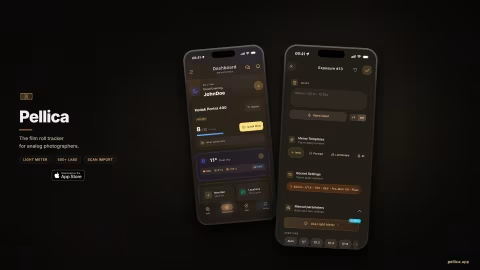
Three weeks. That’s how long it took to get my scans back from the lab last November. When the envelope finally arrived, I spread the negatives across my desk and tried to remember what I’d done. Frame 14 — was that f/2.8 or f/4? Have I pushed the roll two stops, or was it one? The notebook I’ve been using was somewhere in my bag, and when I found it, half the entries were illegible. The other half were for a different roll entirely.
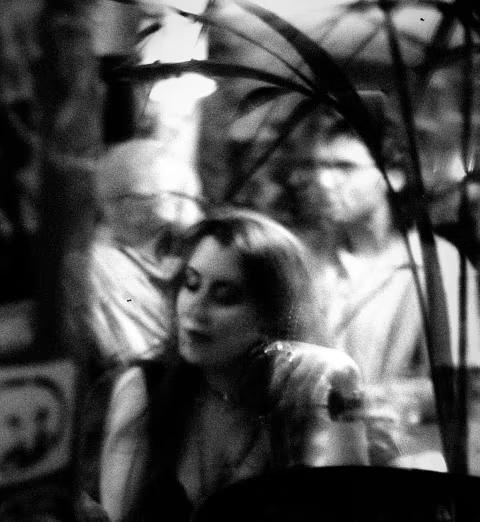
I stared at a frame I loved — soft light through a cafe window on the Rue de Bretagne — and I had no idea how I made it. Not the aperture, not the shutter speed, nothing. Just a nice frame with zero context.
That’s when I decided to actually do something about it.
In this article: The itch that wouldn’t go away. So I opened my laptop. What changed? The five-app problem. What the community taught me. One person, no plan — where to find the Pellica app. How to reach me. Support this blog & get premium features with GOLD memberships!
The itch that wouldn’t go away.
I’m a developer. I also shoot film — mostly 35mm. Tri-X when I want grain, Agfa 400 for everyday stuff, Harman Redscale when I feel like gambling. I’m based in Paris, which means I get nice light about four months a year and spend the rest squinting at grey skies, trying to decide between f/4 and f/5.6.
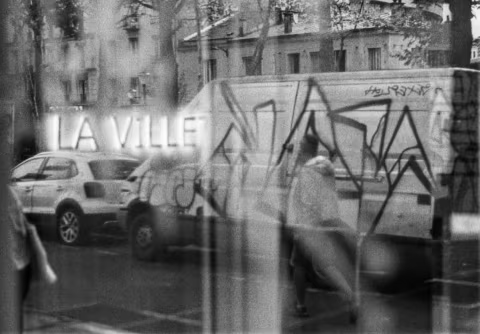
I tried everything to keep track of my exposures. A pocket notebook that got rained on in Belleville. A spreadsheet I kept forgetting to open. Three different apps that each did one thing, but couldn’t talk to each other. At some point, I had a note on my phone that just said “f/8, maybe 1/250, cloudy?” — which tells you how well that system was working.
The real issue wasn’t discipline. It was that none of these tools fit the rhythm of actually shooting. You see light, you meter, you shoot. Maybe you have five seconds before the moment passes. Nobody wants to stop and type into a spreadsheet between frames.
So I opened my laptop.
It started as a weekend project in April 2025. A simple shot log — tap in aperture, shutter speed, ISO after each frame. That was it. But after I went out shooting the next weekend, I came back with a list of many more things I wanted my app to do.
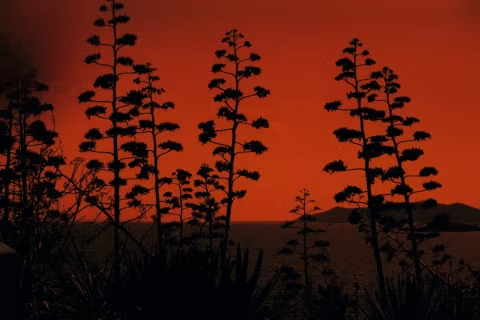
I needed GPS because I couldn’t remember where half my shots were taken. I needed the weather data because my shadows looked completely different in January versus June, and I wanted to understand why. I needed to import my scans and line them up with my notes, because that’s the whole point — closing the gap between what you did and what you got.
The weekend project turned into months. The months turned into a year. I called it Pellica, which is short for *pellicule* — the French word for film roll.
What changed?
Here’s what my shooting days look like now. I load Tri-X, push it to 1600. I see something, meter, shoot. Then I tap the screen — aperture, shutter speed, done. Takes about two seconds. GPS and weather are grabbed in the background. I don’t think about it again.
When the scans show up three weeks later, I pull them into the app. Each frame sits next to its exposure data. I can see that the shot I love — deep blacks, grain crawling up the highlights — was f/2.8 at 1/60, overcast, 8 degrees. And the flat, muddy one right after? Same settings, but I metered it for the highlights instead of letting the shadows breathe.
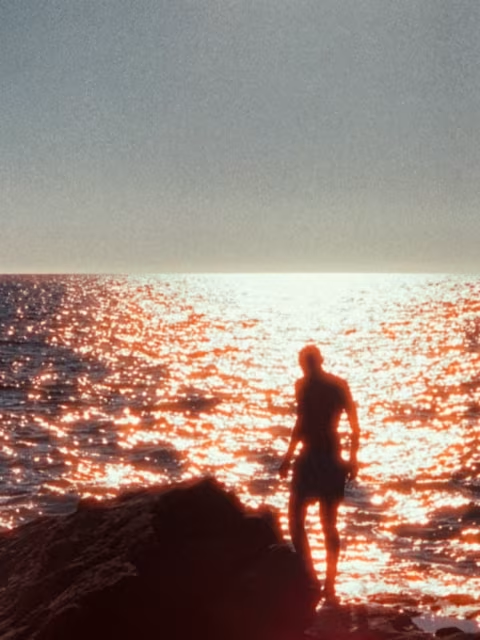
That kind of feedback is what made me actually get better. Not reading about zone system theory (although that helped too), but seeing my own decisions laid out next to the results.
The five-app problem.
Before this, my film photography setup involved five apps. Seriously. A notes app for exposure data. A separate light meter. Google Maps for finding labs when I was travelling. A spreadsheet to track what film I have in the fridge. And a timer app for the rare occasions I developed at home.
Pellica kind of absorbed all of them over time. There’s a light meter now, with reciprocity tables for 48 stocks — I use it all the time for long exposures on Acros. There’s a map with 500+ development labs that people can rate and review. And there’s a dev timer for C-41, E-6, and black and white, with agitation reminders. That last one has saved me from at least two ruined rolls of HP5.
None of this was planned. Every feature started as me running into a problem while shooting and thinking, I could probably fix this.
What the community taught me.
I should be honest — I didn’t figure any of this out alone. The film photography community online is the reason I got past the “all my photos are bad” phase. I remember a long Photrio thread on metering for shadows in overcast light that changed how I read grey days, and a Casual Photophile piece on pushing Tri-X that finally made the chemistry click for me. Reddit’s r/AnalogCommunity does something I love: people post their best frame right next to a disaster from the same roll, no curation. That side-by-side honesty taught me more than any tutorial.
Watching folks like Willem Verbeeck or the Negative Feedback crew on YouTube shaped me too — not the final image, but listening to them talk through the call they made on the spot, in changing light. That’s the part you don’t get in books.
That philosophy ended up shaping how the app works. Pellica doesn’t score your exposures or tell you what settings to use. It just makes it easier to remember what you did, so you can figure out the rest yourself. Shoot, observe, adjust. That’s basically the whole idea.
One person, no plan — where to find the Pellica app.
There’s no company behind this. No team, no funding, no roadmap with quarterly targets. It’s just me, working on it between shooting sessions, trying to make it slightly less bad each week.
Pellica is free on iOS. There’s a Pro tier if you want unlimited rolls. It works offline, which matters when you’re out somewhere with no signal. It’s in six languages now, and an Android version is also available.
If you try it and something annoys you, I genuinely want to know. I read every email. I’m not a faceless company — I’m a guy who shoots film and happens to know how to code. The app gets better every time someone tells me what’s broken or missing.
How to reach me.
I shoot 35mm in Paris. You can reach me via [email protected] or on my Instagram @imsfade. The app website is at pellica.app.
